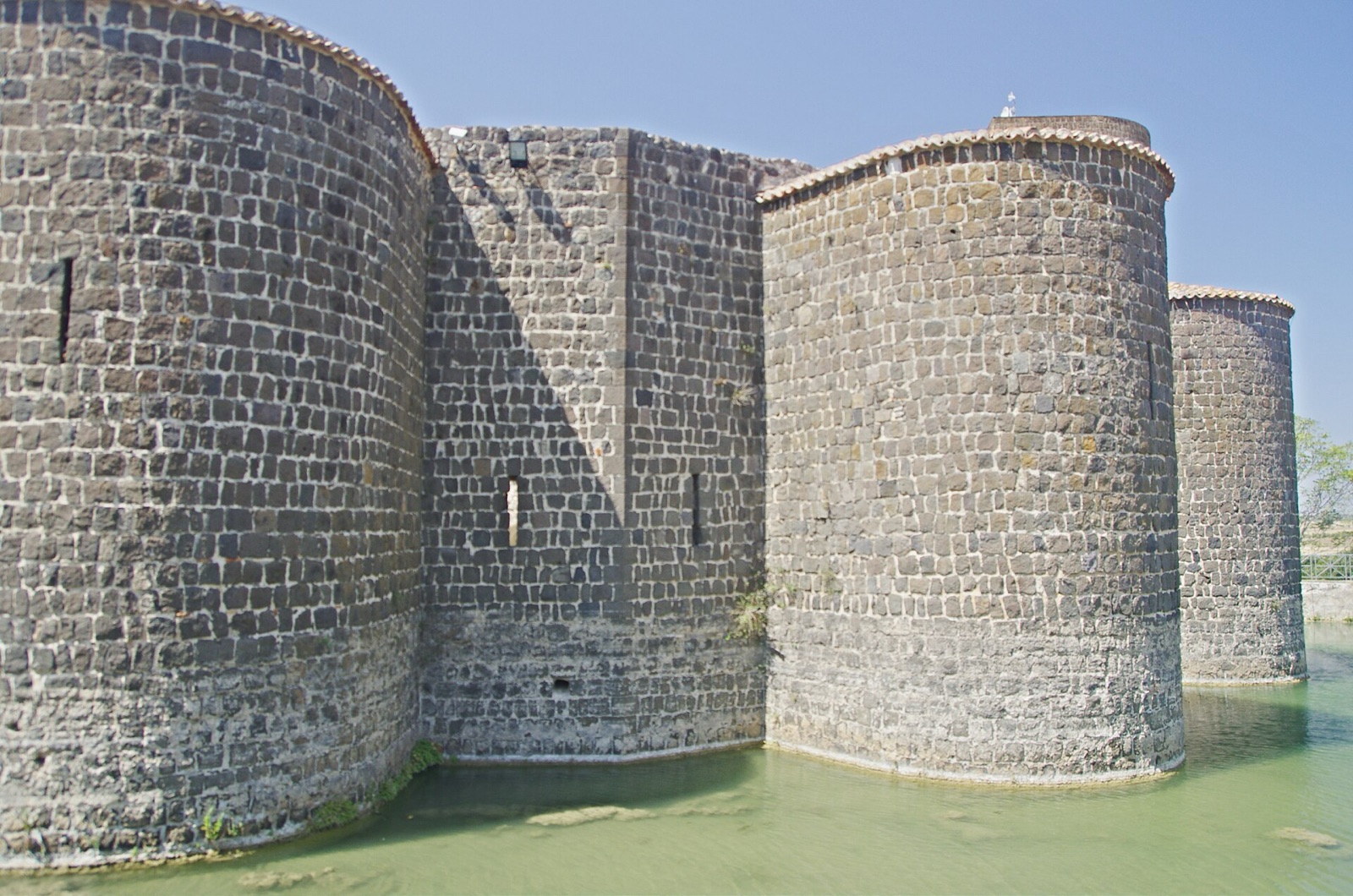
The Vulci Archaeological Park is one of the most important Etruscan sites in Italy, spanning over 120 hectares. This vast archaeological area preserves the remains of the ancient city of Vulci, once a powerful Etruscan center that later came under Roman rule.
The park features impressive ruins including temples, a Roman forum, thermal baths, and the magnificent Ponte dell'Abbadia, a Roman bridge with Etruscan foundations that spans the Fiora River. This bridge, with its imposing arch, also served as an aqueduct and stands as a testament to ancient engineering skills.
Vulci was one of the largest and most important Etruscan cities, flourishing between the 6th and 4th centuries BC before becoming a Roman municipality. The site has yielded remarkable artifacts, many of which are displayed in the on-site museum housed in the medieval Castello dell'Abbadia.
The archaeological park also encompasses several Etruscan necropolises with tombs carved into the tufa rock, providing valuable insights into Etruscan funerary practices and artistic traditions. The "François Tomb," discovered here in 1857, contained some of the most important Etruscan paintings ever found.
Today, visitors can explore the ancient city's layout, walk along Roman roads, and admire the remains of temples, houses, and public buildings while enjoying the natural beauty of the surrounding landscape.
Il Parco Archeologico di Vulci è uno dei più importanti siti etruschi d'Italia, esteso su oltre 120 ettari. Questa vasta area conserva i resti dell'antica città di Vulci, un tempo potente centro etrusco poi passato sotto il dominio romano.
Il parco presenta rovine notevoli: templi, un foro romano, terme e il magnifico Ponte dell'Abbadia, ponte romano con fondamenta etrusche che attraversa il fiume Fiora. Con la sua arcata imponente, il ponte fungeva anche da acquedotto e testimonia l'abilità ingegneristica antica.
Vulci fu una delle più grandi e importanti città etrusche, fiorente tra il VI e il IV secolo a.C. prima di diventare municipio romano. Il sito ha restituito reperti straordinari, molti esposti nel museo ospitato nel medievale Castello dell'Abbadia.
Il parco comprende anche diverse necropoli etrusche con tombe scavate nel tufo, preziose per comprendere le pratiche funerarie e le tradizioni artistiche etrusche. La «Tomba François», scoperta qui nel 1857, conteneva alcune delle più importanti pitture etrusche mai ritrovate.
Oggi i visitatori possono esplorare l'impianto dell'antica città, percorrere strade romane e ammirare i resti di templi, case ed edifici pubblici, immersi nella bellezza naturale del paesaggio circostante.
Der Archäologische Park von Vulci ist eine der bedeutendsten etruskischen Stätten Italiens und erstreckt sich über mehr als 120 Hektar. Das weitläufige Gelände bewahrt die Überreste der antiken Stadt Vulci, einst ein mächtiges etruskisches Zentrum, das später unter römische Herrschaft kam.
Der Park zeigt eindrucksvolle Ruinen: Tempel, ein römisches Forum, Thermen und die prächtige Ponte dell'Abbadia, eine römische Brücke mit etruskischen Fundamenten über den Fluss Fiora. Mit ihrem mächtigen Bogen diente die Brücke auch als Aquädukt und zeugt von antiker Ingenieurskunst.
Vulci war eine der größten und wichtigsten etruskischen Städte und blühte zwischen dem 6. und 4. Jahrhundert v. Chr., bevor es römisches Munizipium wurde. Die Stätte lieferte bemerkenswerte Funde, viele davon im Museum in der mittelalterlichen Burg Castello dell'Abbadia.
Zum Park gehören auch mehrere etruskische Nekropolen mit in den Tuffstein gehauenen Gräbern, die wertvolle Einblicke in etruskische Bestattungsbräuche und Kunst geben. Das 1857 hier entdeckte „François-Grab“ enthielt einige der bedeutendsten etruskischen Malereien überhaupt.
Heute können Besucher den Grundriss der antiken Stadt erkunden, auf römischen Straßen wandeln und die Reste von Tempeln, Häusern und öffentlichen Bauten bewundern – eingebettet in die schöne Landschaft.
HighlightsPunti salientiHighlights
- Ponte dell'Abbadia - Impressive Roman bridge with Etruscan foundations
- Castello dell'Abbadia - Medieval castle housing the archaeological museum
- Etruscan Necropolis - Ancient burial grounds with tombs carved into tufa rock
- Roman Forum - Center of public life in the ancient city
- Domus of Cryptoporticus - Well-preserved Roman house with underground passages
- Ponte dell'Abbadia – imponente ponte romano con fondamenta etrusche
- Castello dell'Abbadia – castello medievale che ospita il museo archeologico
- Necropoli etrusca – antiche sepolture con tombe scavate nel tufo
- Foro romano – centro della vita pubblica dell'antica città
- Domus del Criptoportico – casa romana ben conservata con passaggi sotterranei
- Ponte dell'Abbadia – eindrucksvolle römische Brücke mit etruskischen Fundamenten
- Castello dell'Abbadia – mittelalterliche Burg mit dem archäologischen Museum
- Etruskische Nekropole – alte Grabstätten mit in den Tuff gehauenen Gräbern
- Römisches Forum – Zentrum des öffentlichen Lebens der antiken Stadt
- Domus des Kryptoportikus – gut erhaltenes römisches Haus mit unterirdischen Gängen
Join the Lazio Expats communityUnisciti alla community Lazio ExpatsTritt der Lazio-Expats-Community bei
Connect with fellow travelers and expats in Lazio. Share tips, hidden gems, local events and meetups — all in our friendly WhatsApp group.
Entra in contatto con viaggiatori ed espatriati nel Lazio. Condividi consigli, luoghi segreti, eventi locali e incontri — tutto nel nostro gruppo WhatsApp.
Vernetze dich mit Reisenden und Expats im Latium. Teile Tipps, Geheimtipps, lokale Events und Treffen — alles in unserer freundlichen WhatsApp-Gruppe.
Join on WhatsAppUnisciti su WhatsAppBei WhatsApp beitreten
Lazio Expats
Scan to join the group
Scansiona per unirti al gruppo
Scannen, um beizutreten