| LocationPosizioneLage | Northern Lazio, ~120 km north of RomeLazio settentrionale, ~120 km a nord di RomaNördliches Latium, ca. 120 km nördlich von Rom |
|---|---|
| TypeTipoTyp | Volcanic crater lake & lakeside fishing villageLago vulcanico di cratere & borgo di pescatoriVulkanischer Kratersee & Fischerdorf am Seeufer |
| Best time to visitPeriodo miglioreBeste Reisezeit | May–October (Sagra dei Lattarini: late May)Maggio–ottobre (Sagra dei Lattarini: fine maggio)Mai–Oktober (Sagra dei Lattarini: Ende Mai) |
| PopulationAbitantiEinwohner | Marta: ~3,000; 47 professional fishersMarta: ~3.000; 47 pescatori professionistiMarta: ca. 3.000; 47 Berufsfischer |
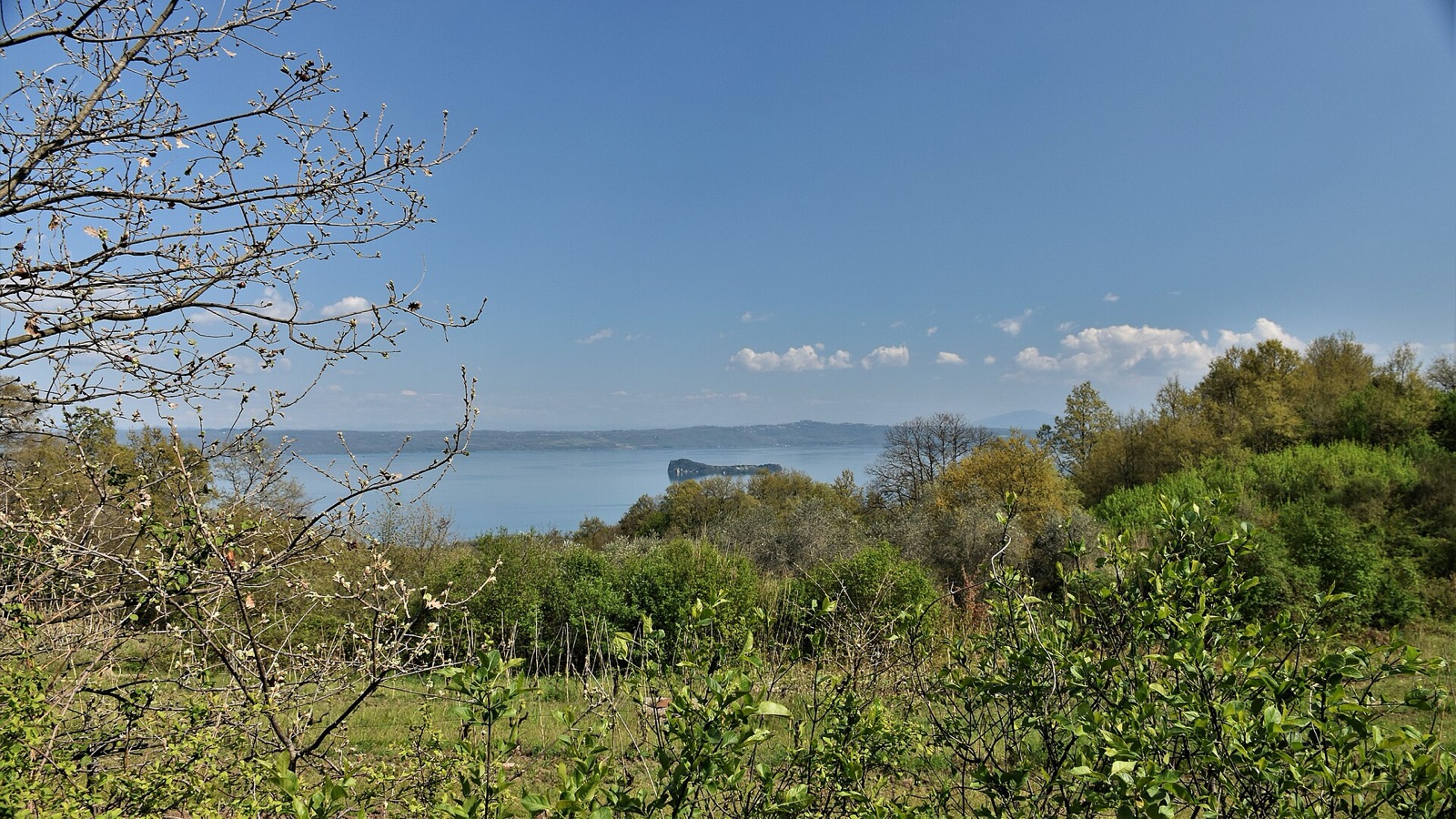
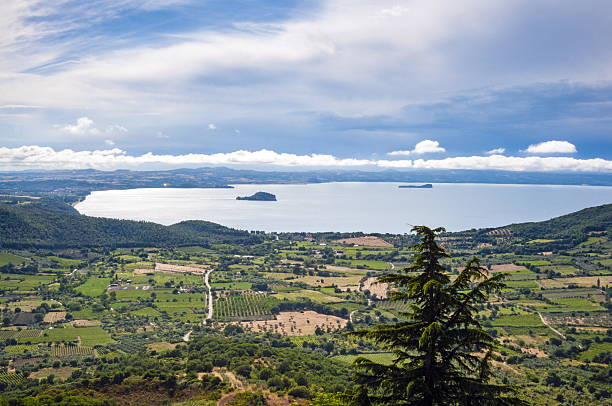
Lake Bolsena is a crystal-clear volcanic lake formed around 300,000 years ago by the collapse of a large magma chamber. It lies in a zone of extinct volcanoes in the far north of Lazio and is the largest volcanic lake in Europe.
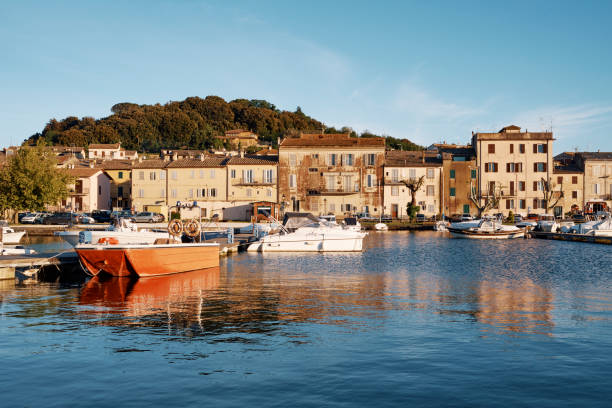
The small hilltop town of Marta on the lakeshore is home to a cooperative of professional fishermen who have worked the lake for generations. The lake is famous for its biodiversity: whitefish, tench, pike, perch and eels all thrive here — entirely through natural reproduction, without artificial stocking.
The most prized catch is the perch (persico reale), known as the "Ferrari of Lake Bolsena" for its rarity and high market price. Eels appear in autumn. In late May the Sagra dei Lattarini takes place, a festival dedicated to the small lattarini fish, served fried in abundance.
A growing ecological problem is the invasive "killer crab" (blue crab) from North America, which disrupts the lake's biological balance. The fishermen's nets help keep the population in check, and the crabs fetch good prices — but they remain a threat to the native ecosystem.
Il Lago di Bolsena è un limpido lago vulcanico formatosi circa 300.000 anni fa dal crollo di una grande camera magmatica. Si trova in una zona di vulcani spenti all'estremo nord del Lazio ed è il più grande lago vulcanico d'Europa.
Il piccolo borgo collinare di Marta, sulla riva del lago, ospita una cooperativa di pescatori professionisti che lavorano il lago da generazioni. Il lago è famoso per la sua biodiversità: coregoni, tinche, lucci, persici e anguille prosperano qui — tutto per riproduzione naturale, senza ripopolamento artificiale.
La preda più ambita è il persico reale, chiamato la "Ferrari del Lago di Bolsena" per la sua rarità e l'alto prezzo di mercato. Le anguille arrivano in autunno. A fine maggio si tiene la Sagra dei Lattarini, dedicata ai piccoli pesci lattarini, serviti fritti in abbondanza.
Un problema ecologico crescente è il "granchio killer" (granchio blu) invasivo dal Nord America, che altera l'equilibrio biologico del lago. Le reti dei pescatori aiutano a contenerne la popolazione e i granchi raggiungono buoni prezzi — ma restano una minaccia per l'ecosistema autoctono.
Der Bolsenasee ist ein kristallklarer Vulkansee, der vor rund 300.000 Jahren durch den Einsturz einer großen Magmakammer entstand. Er liegt in einer Zone erloschener Vulkane im äußersten Norden Latiums und ist der größte Vulkansee Europas.
Das kleine Hügelstädtchen Marta am Seeufer beherbergt eine Genossenschaft von Berufsfischern, die seit Generationen auf dem See arbeiten. Der See ist berühmt für seine Artenvielfalt: Renken, Schleien, Hechte, Barsche und Aale gedeihen hier — alles durch natürliche Fortpflanzung, ohne künstlichen Besatz.
Der begehrteste Fang ist der Flussbarsch (Persico Reale), der als „Ferrari des Bolsenasees" gilt — wegen seiner Seltenheit und seines hohen Marktpreises. Aale gibt es im Herbst. Ende Mai findet die Sagra dei Lattarini statt, ein Volksfest, das den kleinen Lattarini-Fischen gewidmet ist, die frittiert in Fülle serviert werden.
Ein wachsendes ökologisches Problem ist die invasive „Killerkrabbe" (Blaukrabbe) aus Nordamerika, die das biologische Gleichgewicht des Sees stört. Die Netze der Fischer helfen, die Population einzudämmen, und die Krabben erzielen gute Preise — doch für das heimische Ökosystem bleiben sie eine Bedrohung.
HighlightsPunti salientiHighlights
- Bisentina and Martana Islands - Picturesque islands with rich history
- Town of Bolsena - Medieval center with Monaldeschi Castle and Basilica of Santa Cristina
- Capodimonte - Peninsula town with the 16th-century Farnese Fortress
- Marta - Traditional fishing village with distinctive fishing techniques
- Black Volcanic Beaches - Unique shoreline formed by volcanic activity
- Isole Bisentina e Martana – isole pittoresche ricche di storia
- Borgo di Bolsena – centro medievale con il Castello Monaldeschi e la Basilica di Santa Cristina
- Capodimonte – paese su una penisola con la Rocca Farnese del XVI secolo
- Marta – borgo di pescatori con tecniche di pesca tradizionali
- Spiagge di sabbia vulcanica nera – litorale unico di origine vulcanica
- Inseln Bisentina und Martana – malerische Inseln mit reicher Geschichte
- Ort Bolsena – mittelalterlicher Kern mit Monaldeschi-Burg und Basilika Santa Cristina
- Capodimonte – Halbinselort mit der Farnese-Festung aus dem 16. Jh.
- Marta – traditionelles Fischerdorf mit besonderen Fangtechniken
- Schwarze Vulkansandstrände – einzigartige Küste vulkanischen Ursprungs
GalleryGalleriaGalerie
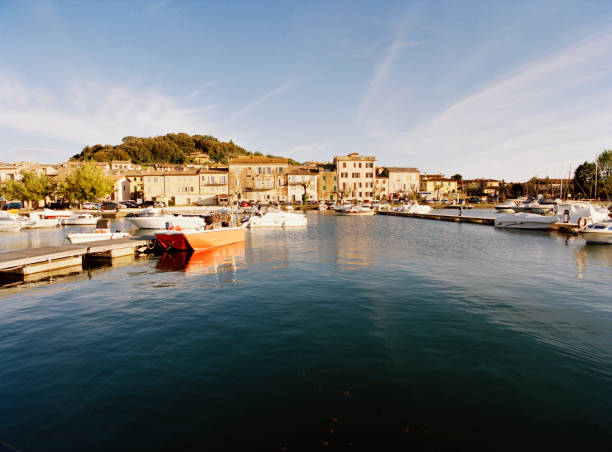
Insider tip: Consiglio dell'esperto: Insider-Tipp: Perch prepared with white wine, cherry tomatoes, oil, a hint of onion, garlic and chili flakes over tagliolini or fettuccine — a recipe from the fishermen themselves. Come early in the morning to watch the boats set out: they leave long before sunrise.Persico con vino bianco, pomodorini, olio, un tocco di cipolla, aglio e peperoncino su tagliolini o fettuccine — una ricetta degli stessi pescatori. Arriva la mattina presto per vedere le barche in partenza: salpano molto prima dell'alba.Barsch mit Weißwein, Kirschtomaten, Öl, einem Hauch Zwiebeln, Knoblauch und Chiliflocken auf Tagliolini oder Fettuccine — ein Rezept der Fischer selbst. Früh morgens kommen, um die Boote bei der Abfahrt zu sehen: sie legen weit vor Sonnenaufgang ab.
Join the Lazio Expats communityUnisciti alla community Lazio ExpatsTritt der Lazio-Expats-Community bei
Connect with fellow travelers and expats in Lazio. Share tips, hidden gems, local events and meetups — all in our friendly WhatsApp group.
Entra in contatto con viaggiatori ed espatriati nel Lazio. Condividi consigli, luoghi segreti, eventi locali e incontri — tutto nel nostro gruppo WhatsApp.
Vernetze dich mit Reisenden und Expats im Latium. Teile Tipps, Geheimtipps, lokale Events und Treffen — alles in unserer freundlichen WhatsApp-Gruppe.
Join on WhatsAppUnisciti su WhatsAppBei WhatsApp beitreten
Lazio Expats
Scan to join the group
Scansiona per unirti al gruppo
Scannen, um beizutreten